Navigating safely

Most of us unknowingly go through life with a tight grip in our inner core. this inner psychological grip corresponds to an outer physiological one. The mind is designed to grasp ideas, and the hands and arms are made to grasp objects. Each form of grasping is an attempt to be in control. Grasping ideas of ourselves and the world – virtual models of reality – allows us to plan, which provides a sense of control, however illusory this control may be. In times of stress we may believe that we need to get a stronger grip on ourselves. In truth, we need to relax it. Our main stress comes from being too tightly wound. When I explain this principle to clients I will sometimes use the metaphor of driving a car: if our grip on the steering wheel is too tense we become a less safe driver. We need to be both alert and relaxed to gracefully navigate the road, as well as life

John J. Prendergast, In Touch: How to Tune In to the Inner Guidance of Your Body and Trust Yourself

 

At a time of not knowing


People are afraid to forget their minds, fearing to fall through the void with nothing to break their fall. 

They do not know that the Void is not really void, but the place of the real dharma

Huángbò Xīyùn, died 850, Chinese Chan(Zen) Buddhist master

A new month : Our own path

We cannot live in a world that is interpreted for us by others.
An interpreted world is not a home.
Part of the terror is to take back our own listening.
To use our own voice. To see our own light
 
Hildegard of Bingen, 1098 – 1179

Appreciating life

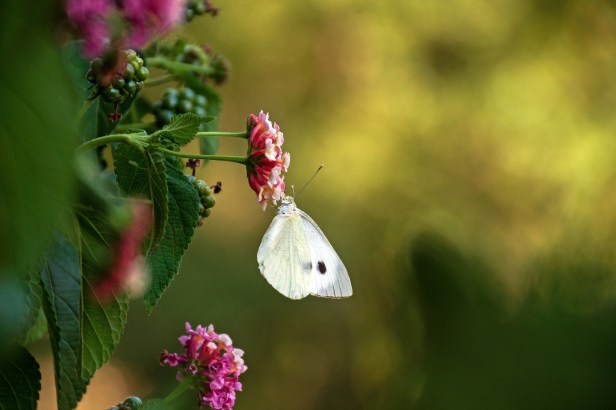
There’s a kind of white moth, I don’t know
what kind, that glimmers
by mid-May
in the forest, just
as the pink mocassin flowers
are rising.

If you notice anything,
it leads you to notice
more
and more.

And anyway
I was so full of energy.
I was always running around, looking
at this and that….

Finally, I noticed enough.
All around me in the forest
the white moths floated.

How long do they live, fluttering
in and out of the shadows?

You aren’t much, I said
one day to my reflection
in a green pond,
and grinned.

Mary Oliver, Moths (extracts) 

Sunday quote; Ordinary

The real challenge lies in just being able to integrate awareness into the most ordinary things.

Ajahn Sumedho

Desire to control

What [the Buddha] saw was that life is the permanent experience of suffering. This suffering is primarily occasioned by the ego’s desire to control – to control the environment, to control others, to control in proportion to our losses. The only path through and beyond this suffering, according to the Buddha, is the relinquishment of the desire to control, to let be, to go with the wisdom implicit in the transience of nature. This release is the proper cure for neurosis, for then one is not split off from nature, including ourselves, who are a part of nature. Such a relinquishment does not render one a slave to loss, but rather a participant in the act of letting go. Only letting go can bring peace and serenity […] None of us will likely attain Buddhahood, but we need not be eternal victims either.

James Hollis, Swamplands of the Soul: New Life in Dismal Places