The stories we tell, the metaphors we use

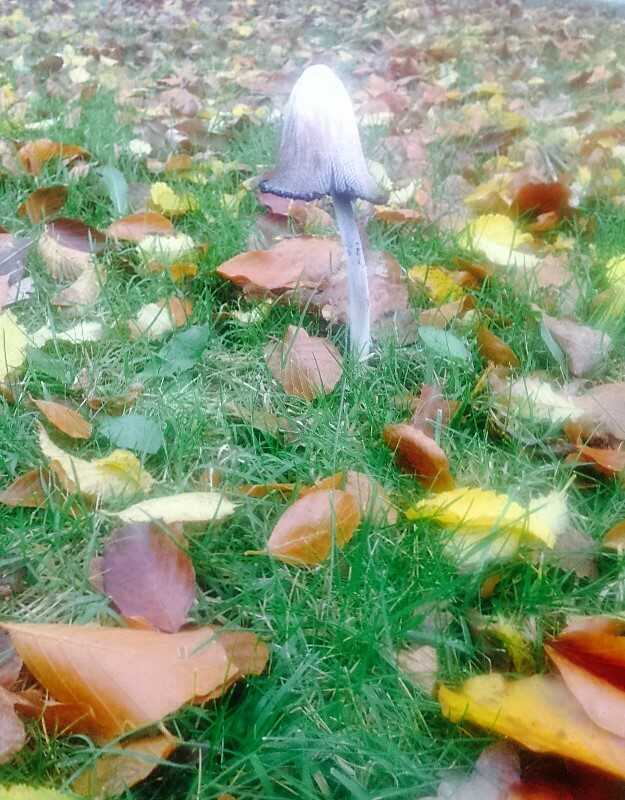
leaves and fungi 2

Most of us have a metaphor, conscious or not, that names our experience of life. Animated by the imagination, one of the most vital powers we possess, our metaphors are more than mirrors to reality — they often become reality, transmuting themselves from language into the living of our lives. We do well to choose our metaphors wisely.

Seasons” is a wise metaphor for the movement of life, I think. It suggests that life is neither a battlefield nor a game of chance but something infinitely richer, more promising, more real. The notion that our lives are like the eternal cycle of the seasons does not deny the struggle or the joy, the loss or the gain, the darkness or the light, but encourages us to embrace it all — and to find in all of it opportunities for growth.

Parker Palmer, From Language to Life

photo SK
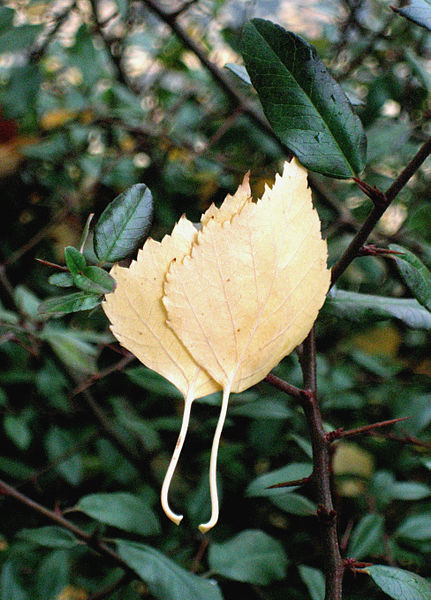
Following the way of nature

File:Pair of birch leafs.jpg

Returning to the source is stillness,

which is the way of nature.

Lao Tzu, Tao Te Ching

photo watchduck

Sunday Quote: Our guide

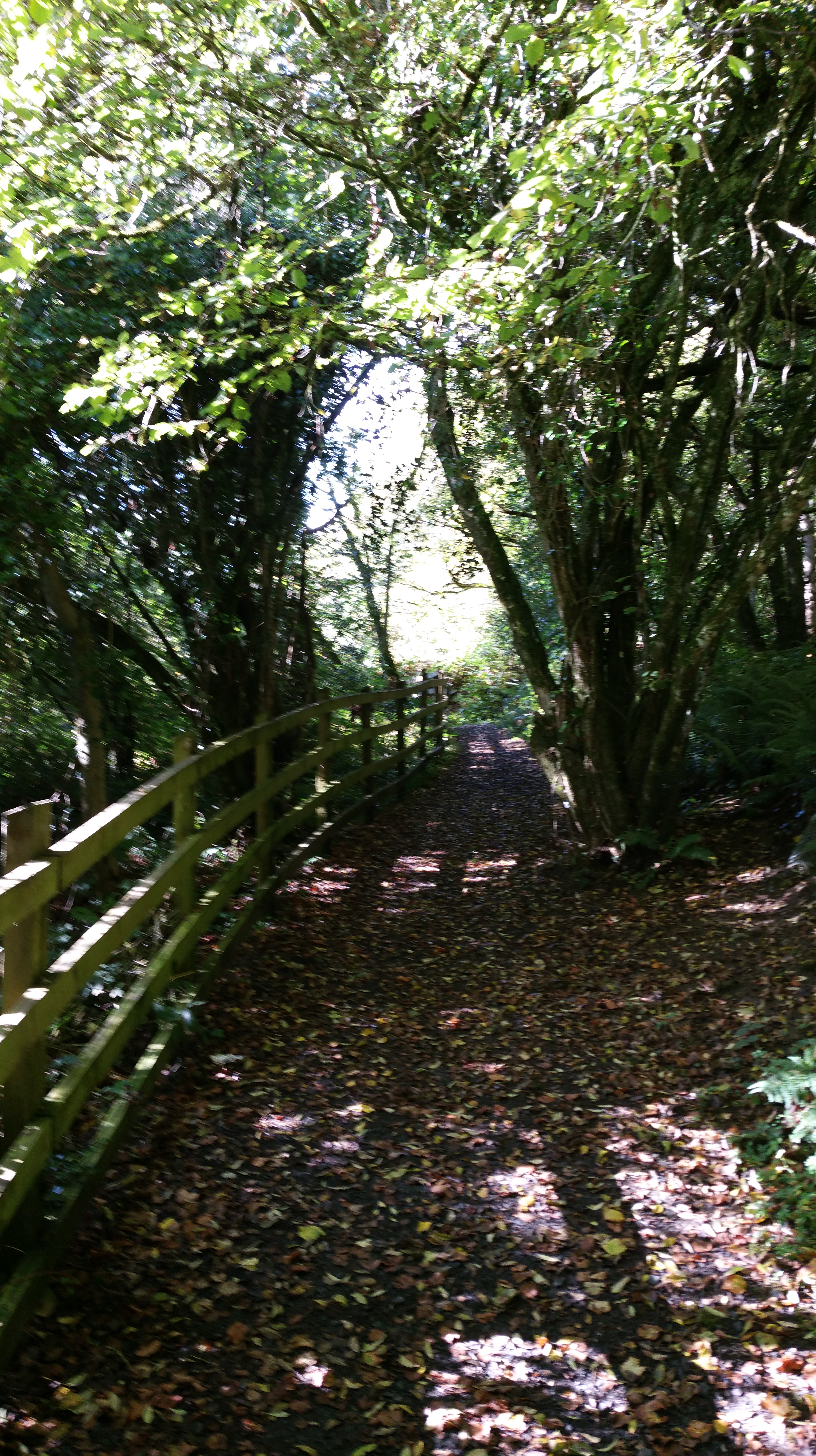
path

On this path

let the heart be your guide

for the body is hesitant and full of fear

Rumi

Relating to ourselves and others

IMG_20140918_131122
Although Rogers is talking about external relationships, this is the essence of mindfulness practice – simply relating to each moment,  including difficult ones, without trying to change them or fix them:  
In my early years I was asking the question: How can I treat, or cure, or change this person? Now I would phrase the question in this way: How can I provide a relationship which this person may use for his own personal growth?
Carl Rogers

Getting a glimpse in a moment

File:Migrating Sandhills departing Barr Lake (1579868329).jpg

When we are alone on a starlit night, when by chance we see the migrating birds in autumn descending on a grove of junipers to rest and eat; when we see children in a moment when they are really children, when we know love in our own hearts; or when, like the Japanese poet, Basho, we hear an old frog land in a quiet pond with a solitary splash – at such times the awakening, the turning inside out of all values, the “newness,” the emptiness and the purity of vision that make themselves evident, all these provide a glimpse of the cosmic dance.

Thomas Merton, New Seeds of Contemplation

A famous Zen poem reads: “The old Pond. A frog jumps in. Plop”  This is a wonderful description of bare attention. The poet, Basho, goes directly to the essence of his experience: the pond, frog, plop. We can say that in meditation we are developing “plop mind”. We are stripping away everything that is extraneous to our immediate experience and simply being present with what is happening. This is bare attention: direct, essential, non-interfering.

Joseph Goldstein, Bare Attention

photo Louis

Being disturbed

IMG-20150927-WA0001

May you have the courage to listen to the voice of desire
that disturbs you when you have settled for something safe.

may you have the wisdom to enter generously into your own unease
to discover the new direction your longing wants you to take.

may the forms of your belonging – in love, creativity, and friendship –
be equal to the grandeur and the call of your soul.

may the one you long for long for you.
may your dreams gradually reveal the destination of your desire.

may a secret providence guide your thought and nurture your feeling.

may your mind inhabit your life with the sureness
with which your body inhabits the world.

may your heart never be haunted by ghost-structures of old damage.

may you come to accept your longing as divine urgency.

may you know the urgency with which God longs for you.

John O Donohue