Being and doing

The weather these past days – heat followed by rain and then more heat – has meant that there is a surge of growth in the fields and along the hedgerows. As always,  I am surprised by its spontaneity and joyful abandon. We can see an unforced wild blossoming all around. In this poem we are asked to reflect on this natural growth and see if our restless planning and hectic schedule leaves any space for going out into the fields of possibility.

Consider the lilies of the field,
the blue banks of camas opening
into acres of sky along the road.
Would the longing to lie down
and be washed by that beauty
abate if you knew their usefulness,
how the natives ground bulbs
for flour, how the settler’s hogs
uprooted them, grunting in gleeful
oblivion as the flowers fell?
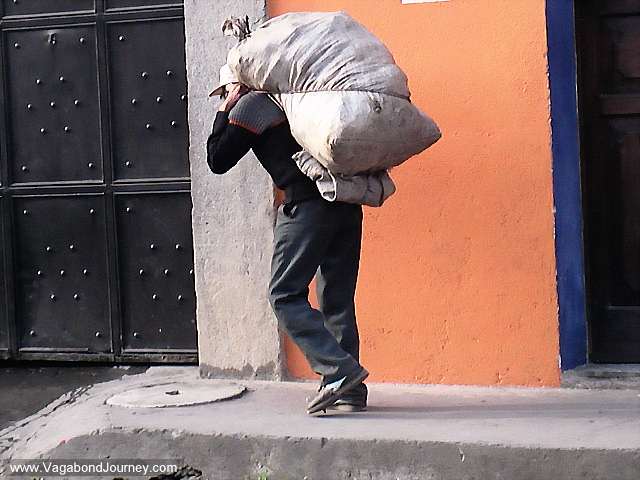
And you — what of your rushed and
useful life? Imagine setting it all down—
papers, plans, appointments, everything,
leaving only a note: “Gone to the fields
to be lovely. Be back when I’m through
with blooming.”
Even now, unneeded and uneaten,
the camas lilies gaze out above the grass from their tender blue eyes.
Even in sleep your life will shine.
Make no mistake. Of course, your work will always matter.
Yet Solomon in all his glory
was not arrayed like one of these.

Lynn Ungar, What we Share

Sunday Quote: Each moment


How we spend our days is,

of course,

how we spend our lives.

Annie Dilliard

Listening to the soul

Things do fall apart. It is in their nature to do so. When we try to protect ourselves from the inevitability of change, we are not listening to the soul. We are listening to our fear of life and death, our lack of faith, our smaller ego’s will to prevail. To listen to your soul is to stop fighting with life – to stop fighting when things fall apart; when they don’t go our way, when we get sick, when we are betrayed or mistreated or misunderstood. To listen to the soul is to slow down, to feel deeply, to see ourselves clearly, to surrender to discomfort and uncertainty and to wait.

Elisabeth Lesser.

Searching outside ourselves

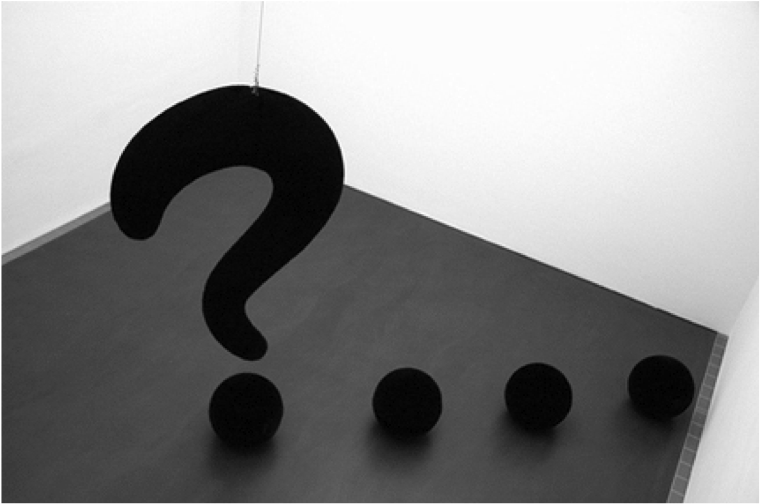
Because we don’t always understand what it means to be in relationship to the present moment, we search. […] What are we searching for? Depending on our particular life, our background and conditioning, what we search for may seem different from one person to another; but really we’re all looking for an ideal life.  Something seems to be missing right here, so I’m interested in searching for the missing part. What if we cease this looking, searching? What are we left with? We’re left with what’s been right there at the center all the time. Underneath all that searching there is distress. There is unease. The minute that we realize that, we see that the point isn’t the search, but rather the distress and unease which motivate the search. That’s the magic moment – when we realize that searching outside of ourselves is not the way.

We begin to see that it isn’t the searching that’s at fault, but something about where we look. And we return more and more to the disappointment, which is always at the center. We’re in pain and we use the search to alleviate that pain. We begin to see that the pain comes because we are pinching ourselves. The very peace we’ve been searching for so hard lies in recognizing this fact: I’m pinching myself. No one’s doing it to me.

Charlotte Joko Beck

Seeing the depths in time

Experience has its own secret structuring. Endings are natural. Often what alarms us as an ending can in fact be the opening of a new journey – a new beginning that we could never have anticipated; one that engages forgotten parts of the heart. Due to the current overlay of therapy terminology in our language, everyone now seems to wish for “closure.” This word is unfortunate: it is not faithful to the open-ended rhythm of experience. Creatures made of clay with porous skins and porous minds are quite incapable of the hermetic sealing that the strategy of “closure” seems to imply. The word completion is a truer word. Each experience has within it a dynamic of unfolding and a narrative of emergence. Oscar Wilde once said, “The supreme vice is shallowness. Whatever is realized is right.” When a person manages to trust experience and be open to it, the experience finds its own way to realization.

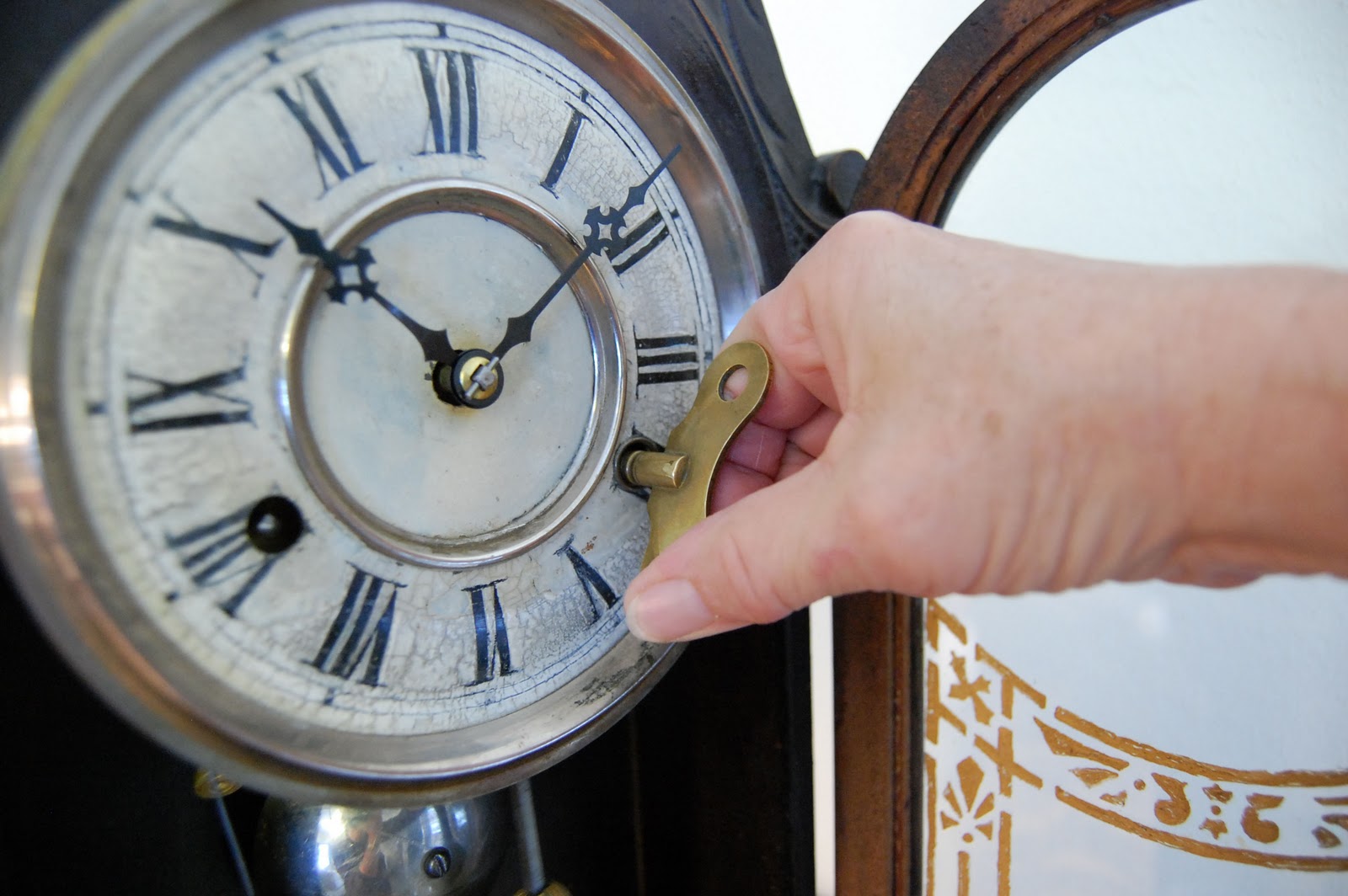
The nature of calendar time is linear; it is made up of durations that begin and end. The Celtic imagination always sensed that beneath time there was eternal depth. This offers us a completely different way of relating to time. It relieves time of the finality of ending. While something may come to an ending on the surface of time, its presence, meaning, and effect continue to be held into the eternal. This is how spirit unfolds and deepens. In this sense, eternal time is intimate; it is where the unfolding narrative of individual life is gathered and woven.

John O’Donohue, To Bless the Space Between Us

Surprising things which we hold on to

Eckhart Tolle believes we create and maintain problems because they give us a sense of identity. Perhaps this explains why we often hold onto our pain far beyond its ability to serve us. We replay past mistakes over and over again in our head, allowing feelings of shame and regret to shape our actions in the present. We cling to frustration and worry about the future, as if the act of fixation somehow gives us power. We hold stress in our minds and bodies, potentially creating serious health issues, and accept that state of tension as the norm.

Though it may sound simple, Ajahn Chah’s advice speaks volumes: “If you let go a little, you will have a little peace. If you let go a lot, you will have a lot of peace.” There will never be a time when life is simple. There will always be time to practice accepting that. Every moment is a chance to let go and feel peaceful.

Lori Deschene, 40 Ways to Let Go and Feel Less Pain, Tiny Buddha Blog