The one who knows

Every time I reacted negatively, pushing things away, that action implied that there was something to fear. That this feeling or this thought was dangerous; that it was going to really hurt me, or invade me; that it was something that was really me and mine. As I began to welcome it all I realised that when you accept everything, only then can you sense that, after all, there is nothing to fear. None of it really belongs to a self or comes from a self. It cannot touch the mind which knows, cannot affect its nature. Whatever shape of vessel you pour the water into, with this same total accommodation, the water changes to the shape of the bottle. It doesn’t say: ‘I will not be poured into a square bottle, square bottles are not my scene. Round bottles only, please!’  When there is complete acceptance, there is just the sense of being the knowing, being that which is aware of all that comes through the mind.

Ajahn Amaro

Why we should take ourselves lightly

We often think that the way forward lies in us putting a lot of work  into our life, hoping to improve and fix what we do not like. And we can bring that attitude to meditation also, seeing it as something I am doing, and something I have got to do. However, just as one of the big problems in meditation is that we can take ourselves too seriously, we also need to realize that a big step towards contentment lies in letting some things go or not holding on too tightly to the succession of energies that appear in the mind, both positive “improving” ones as well as the ones that are arise from difficult events or people.  Now to say this sounds quite simple. But the tendency of the mind is to hold onto most things and make them into problems. We don’t have the faith or the trust or the willingness to just totally let go in the moment, to allow things pass through lightly, rather than amplifying them and making them into a story about our value or our life. Where meditation helps is in coming to see that the mind is continually generating stories and fears, and that holding one to every one can become quite tiring. Letting go our our inflated sense of the importance of our dramas can be liberating.  The image in this poem may help  –  as a way of dealing with thoughts in meditation, as a way of dealing with our preoccupation with “me” and “I”, as a way of dealing with our tendency to improve and fix and fret.

For years and years I struggled
just to love my life. And then
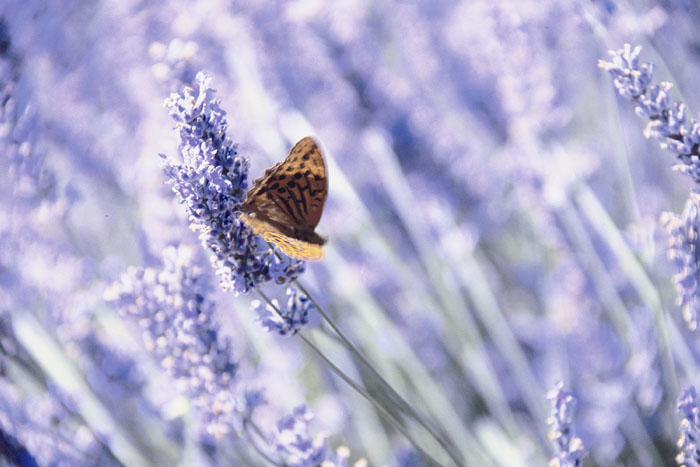
the butterfly
rose, weightless, in the wind.
“don’t love your life
too much,” it said,
and vanished into the world.

Mary Oliver, One or Two Things

Staying with where our life is at this moment

Consciously or unconsciously,

we avoid facing things as they are in themselves

and so we want God to open for us a door which is beyond…

(But) to find life’s purpose we must go through the door of ourselves.

Krishnamurti

Standing still and withdrawing your consent to fear

In our practice we cultivate awareness –  the capacity to hold even the events and thoughts and fears that bother us with kindness and non-judgment.  This means, as Christine Feldman tells us here, that we create enough of a gap between us and our fears that we no longer allow them to define our sense of self, or let them mean that we are doing something wrong:

It is a great relief to stop running from pain. In standing still and receiving life with all its adversity and sorrow, you have withdrawn your permission for suffering to define your life. You have also withdrawn your consent to living in fear. Something profound happens in your heart when you turn with kindness toward all the circumstances of pain which you have previously repressed, dismissed or fled from. There is a softening, an opening, a deepening capacity and willingness to understand sorrow and its cause. You come to understand that your willingness to be present with difficulties is the midwife to compassion.

Christine Feldman, Compassion

Working with difficulties – not looking for resolution

Patience is a way to de-escalate aggression and its accompanying pain. This is to say that when we’re feeling aggressive — and I think this would go for any strong emotion — there’s a seductive quality that pulls us in the direction of wanting to get some resolution. We feel restless, agitated, ill at ease. It hurts so much to feel the aggression that we want it to be resolved. Right then we could change the way we look at this discomfort and practice patience.

Pema Chodron

Holding the parts of our life together

The current understanding of work-life balance is too simplistic. People find it hard to balance work with family, family with self, because it might not be a question of balance. Some other dynamic is at play, something to do with a very human attempt at happiness that does not quantify different parts of life and often set them against one another. We are collectively exhausted because of our inability to hold competing parts of ourselves together in a more integrated way. These hidden human dynamics of integration are more of a conversation, more of a synthesis and more of an almost religious and sometimes delirious quest for meaning than a simple attempt at daily ease and contentment.

David Whyte, The Three Marriages: Reimagining work, self and Relationship