 Every man has to learn the points of compass again as often as he awakes, whether from sleep or any abstraction. Not till we are lost, in other words not till we have lost the world, do we begin to find ourselves, and realize where we are and the infinite extent of our relations. Thoreau, Walden
In the old Celtic and Gaelic calendar, today, February 1st, is the start of Spring. It was the Celtic feast of Imbolc, which centred around the lighting of fires, celebrated because it is halfway between the winter and the spring solstices. Similarly tomorrow, the feast of Candlemas, traditionally involved a procession of candles and the blessing of candles for use in the home. It would seem that there was a need for people to remind themselves of warmth and light around this midway point – when the cold weather can return with a vengeance as it has this year – as encouragement that new growth will soon be here. It is the same for us today, for we all can find ourselves at midway points from time to time, not sure where we are arriving, but too far away from where we started from to recognize it and go back. We have no overall map for this journey, we can lose our sense of direction and easily get lost. It can feel, as Dante says, as if we are “midway in this way of life we’re bound upon …. in a dark wood, where the right road was wholly lost and gone”.
It is no surprise that journey narratives appear so frequently in all wisdom traditions and mythologies. We are never really in just one place, even when things are quite stable, but always somewhat in-between. Still, whenever we’re moving into anything new we often feel a hesitancy within and tension or unease arises because we prefer to stay as we were, where we felt comfortable. And the brain tends to interpret our underlying unease as anxiety and therefore as negative, leading us to be afraid because something new is demanded. And this can feel like darkness and being lost. However, what these ancient feasts remind us is that this darkness is often the gateway from one place to another, and a natural part of a cycle that leads to new depths. Trust is needed as is mindfulness, which allows us to hold the feeling of unease in awareness, without reactivity, and without the need to run away or fix it. We can thus tolerate the experience of being lost without believing the story of being lost. This holding of awareness is like holding a candle in the darkness – it allows us stay in the darkness without fear until it teaches us what we need to learn.
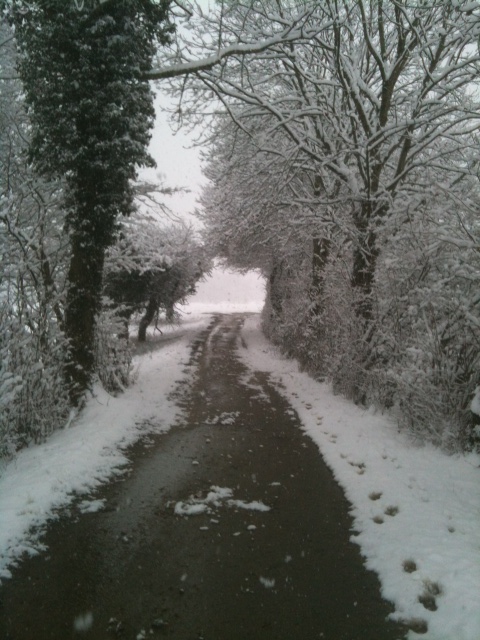
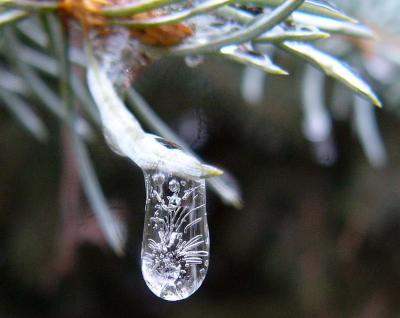 The deep cold continues, and hardens the snow which fell in the past few days. I am reminded of this Mahamudra text: