
Walk around feeling like a leaf
know you could tumble at any second.
Then decide what to do with your time.
Naomi Shibab Nye, The Art of Disappearing
Walk around feeling like a leaf
know you could tumble at any second.
Then decide what to do with your time.
Naomi Shibab Nye, The Art of Disappearing
 Another recent study on the beneficial effects of a mindfulness meditation programme, this time MBCT, for university students facing exams. It has been found that students, under the stressful conditions of exams and the need to successfully complete their studies, are prone to depression, anxiety, automatic thoughts, and dysfunctional attitudes. This can lead to much lower scores and under-achievement.
To test this non-clinical population, a controlled study was conducted in Iran, with participants randomly assigned either to take part in an 8-week MBCT Course or remain in a waiting list control group. The MBCT group followed the standard Mindfulness programme, including 40 minutes of personal practice each day for the duration of the Course. They were assessed at 5 different points: pre-test, session 4, session 8, first follow-up (1 month) and second follow-up (6 months).
The results found that mindfulness was effective in helping the students to deal with their anxiety and depressive feelings before, during and after stressful circumstances. Furthermore, the reductions in negative automatic thoughts and dysfunctional attitudes were significant.
This is an interesting study because of the population and provides evidence that Mindfulness interventions might be of significant use in supporting well-being in students and others who are susceptible to experience anxiety and depression in real life situations as well as improving performance at crucial times.
 Another way of talking about a refuge, as a place from where we feel welcomed, and can draw comfort. This reflection nicely conveys the sense of care and home: a safe refuge within which supports us at every moment. It goes well with the weather that was there early this morning, as the incredibly mild autumn finally begins to get cold and the first frost appears. Our refuge is within: we can drop in at any time, and find what we truly value. It is nice to have a warm place to go to.
Let me describe my grateful center to you. I was seven years old, and my parents were trying to move to the West Coast. Our relative poverty, however, caught up with us, and we were forced to winter in the cabin of an uncle in the Rocky Mountains. The time was difficult for my parents, I am sure, but for me it was glory . . . my most vivid memory is of the fireplace. (I had never been around a fireplace before, all of our heat heretofore having come from the coal furnace in our Nebraska home.) Every night I would pull out the bed that hid in the couch by day and climb under the heavy quilts, my head less than ten feet away from the crackling warmth. Night after night I would fall asleep, watching this strange yellow blaze that warmed us all. I was in my grateful center.
Richard J. Foster, Prayer: Finding the Heart’s True Home
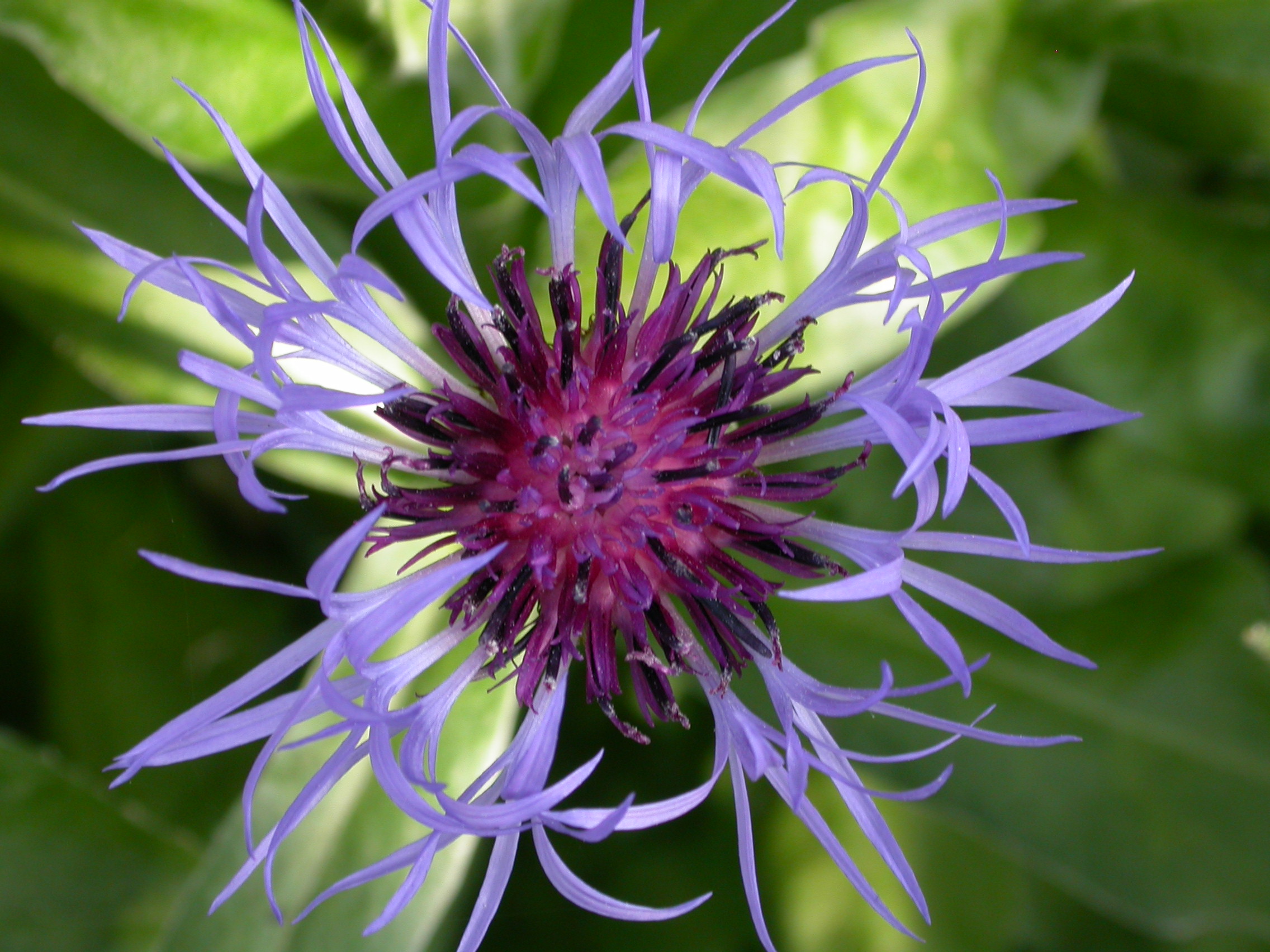
Often in meditation we speak of letting go of something: let go of thoughts, let go of emotions, let go of pain. Sometimes that is not exactly the right phrase, because letting go suggests that you need to do something. A better phrase to work with is “Let it be”. Let it be. Everything comes and goes by itself. We do not have to do anything to make it come or to make it go, or to let go. We just have to let it be.
Joseph Goldstein, Insight Meditation
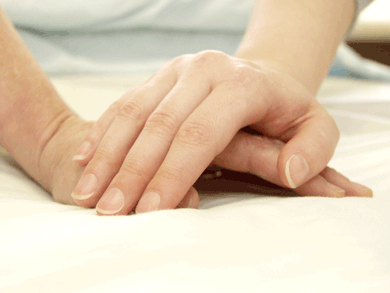 The body always leads us home . . .
if we can simply learn to trust sensation
and stay with it long enough for it to reveal appropriate action, movement, insight, or feeling.
Pat Ogden
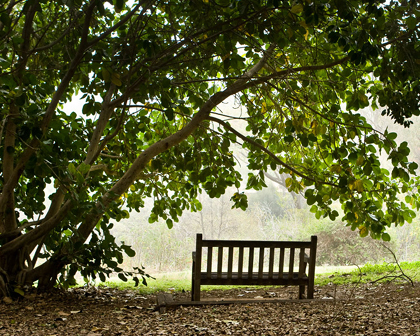
It’s helpful to remind yourself that meditation is about opening and relaxing to whatever arises, without picking and choosing. It’s definitely not meant to repress anything, and it’s not intended to encourage grasping either… To the degree that we‘re willing to see our enmeshment or grasping and our repressing clearly, they begin to wear themselves out…. Up come all these thoughts, but rather than squelch them or obsess with them, we acknowledge them and let them fade.
Pema Chodron, Comfortable with Uncertainty

