The wise person uses the mind as a mirror.
It grasps nothing. It regrets nothing.
It receives but does not keep.
Chuang Tzu, 4th Century BC
The wise person uses the mind as a mirror.
It grasps nothing. It regrets nothing.
It receives but does not keep.
Chuang Tzu, 4th Century BC

The first noble truth of the Buddha is that when we feel suffering,
it doesn’t mean that something is wrong.
What a relief.
Suffering is part of life,
and we don’t have to feel it’s happening because we personally made the wrong move.
Pema Chodron, When Things fall Apart
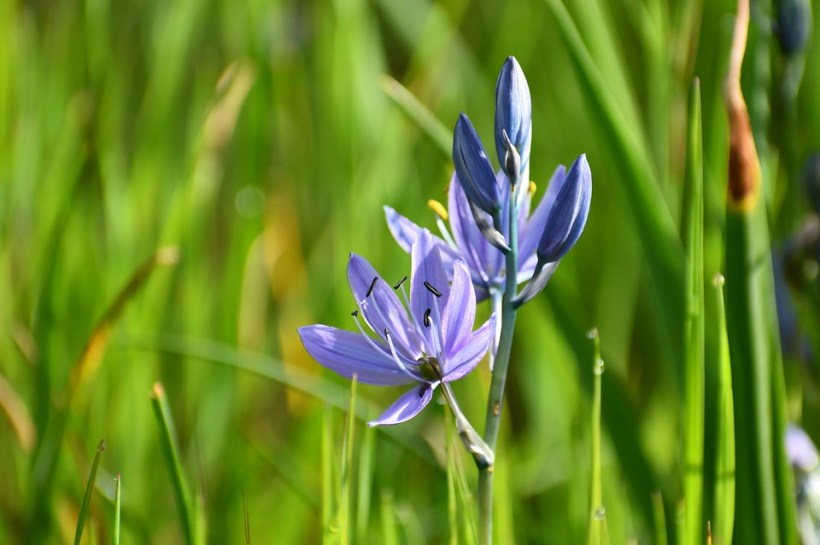
Not being tied to our urgent to-do lists:
Consider the lilies of the field…
And you — what of your rushed and
useful life? Imagine setting it all down —
papers, plans, appointments, everything,
leaving only a note: “Gone to the fields
to be lovely. Be back when I’m through
with blooming.
Lynn Ungar, Camas Lilies

By teaching “Do not judge”, the great teachers are saying that you cannot start seeing or understanding anything if you start with “no.” You have to start with a “yes” of basic acceptance, which means not too quickly labeling, analyzing, or categorizing things as in or out, good or bad, up or down. You have to leave the field open, a field in which God and grace can move.
Ego leads with “no” whereas soul leads with “yes.” The ego seems to strengthen itself by constriction, by being against things; and it feels loss or fear when it opens up. “No” always comes easier than “yes,” and a deep, conscious “yes” is the work of freedom and grace. The soul lives by expansion instead of constriction. Spiritual teachers want you to live by positive action, an open field, and studied understanding, and not by resistance, knee-jerk reactions, or defensiveness, and so they always say something like “Do not judge,” as judging is merely a control mechanism.
Richard Rohr, The Naked Now: Learning to See as the Mystics

Imagine you are walking in the woods and you see a small dog sitting by a tree. As you approach it, it suddenly lunges at you, teeth bared. You are frightened and angry. But then you notice that one of its legs is caught in a trap. Immediately your mood shifts from anger to concern: You see that the dog’s aggression is coming from a place of vulnerability and pain. This applies to all of us. When we behave in hurtful ways, it is because we are caught in some kind of trap. The more we look through the eyes of wisdom at ourselves and one another, the more we cultivate a compassionate heart.
Tara Brach, True Refuge

Let the waves of the universe rise and fall as they will.
You have nothing to gain or lose.
You are the ocean.
Ashtavakra Gita, Vedanta Scripture, c. 400 BC
 Mindfulbalance