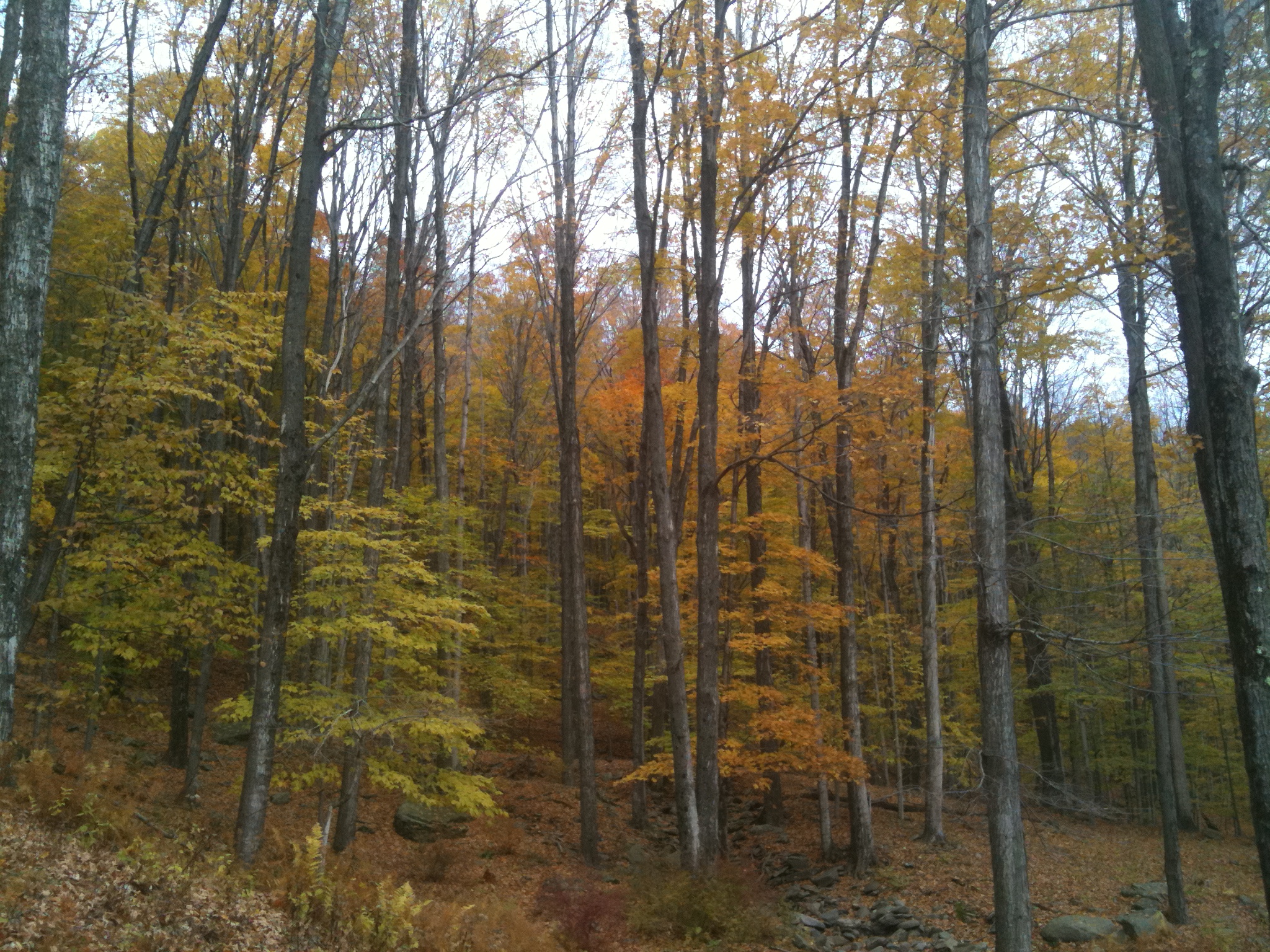
Imitate the trees.
Learn to lose in order to recover,
and remember that nothing stays the same for long,
not even pain.
May Sarton
Imitate the trees.
Learn to lose in order to recover,
and remember that nothing stays the same for long,
not even pain.
May Sarton

Wake up my heart! The world is passing by;
Life froths and flows by, free for the asking.
Don’t sleep in your body, oblivious,
As the caravan of life goes by your house.
Rumi

The next time you lose heart and you can’t bear to experience what you’re feeling, you might recall this instruction: change the way you see it and lean in. Instead of blaming our discomfort on outer circumstances or on our own weakness, we can choose to stay present and awake to our experience, not rejecting it, not grasping it, not buying the stories that we relentlessly tell ourselves. This is priceless advice that addresses the true cause of suffering — yours, mine, and that of all beings.
Pema Chodron, Taking the Leap
photo maureen

I do not know if the seasons remember their history or if the days and
nights by which we count time remember their own passing.
I do not know if the oak tree remembers its planting or if the pine
remembers its slow climb toward sun and stars.
I do not know if the squirrel remembers last fall’s gathering or if the
bluejay remembers the meaning of snow.
I do not know if the air remembers September or if the night remembers
the moon.
I do not know if the earth remembers the flowers from last spring or if
the evergreen remembers that it shall stay so.
Perhaps that is the reason for our births — to be the memory for
creation.
Perhaps salvation is something very different than anyone ever expected.
Perhaps this will be the only question we will have to answer:
“What can you tell me about September?”
Burton D. Carley, September Meditation
photo leslie seaton

Dogen Zen-ji said, “To know yourself is to forget yourself.” We might think that knowing ourselves is a very ego-centered thing, but by beginning to look so clearly and so honestly at ourselves—at our emotions, at our thoughts, at who we really are — we begin to dissolve the walls that separate us from others. Somehow all of these walls, these ways of feeling separate from everything else and everyone else, are made up of opinions. They are made up of dogma; they are made of prejudice. These walls come from our fear of knowing parts of ourselves. There is a Tibetan teaching that is often translated as, “Self-cherishing is the root of all suffering.” It can be hard for a Western person to hear the term “self-cherishing” without misunderstanding what is being said. I would guess that 85% of us Westerners would interpret it as telling us that we shouldn’t care for ourselves….. But that isn’t what it really means. What it is talking about is fixating.
Pema Chodron, To Know Yourself is to Forget Yourself
photo U.S fish and wildlife service

It’s true that different people have different mind stuff to work with, but essentially there comes about a realization that the core of the feeling of suffering comes from something we all do: we take things personally. And you can’t stop doing this simply as an idea. The practice involves cessation – letting go of “self” through directly knowing “self”. This must occur by feeling out and examining some pretty well-known positions ….”I cant do it” is one of them, and the list goes on through every kind of self-view about “I’m not worthy/good enough”, “It’s not good enough for me” ” I have a lot of karma to work out”…In the course of practice, all of these self-views come and go continually until gradually the realization of their impermanence begins to sink in.
Ajahn Sucitto, The Dawn of the Dhamma
 Mindfulbalance