
If we look at the world with a love of life,
the world will reveal its beauty to us.
Daisaku Ikeda, born 1928, Japanese Buddhist philosopher, educator and author.
If we look at the world with a love of life,
the world will reveal its beauty to us.
Daisaku Ikeda, born 1928, Japanese Buddhist philosopher, educator and author.
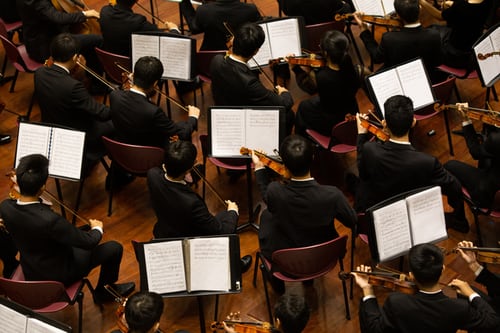
No one imagines that a symphony is supposed to improve as it goes along, or that the whole object of playing is to reach the finale. The point of music is discovered in every moment of playing and listening to it. It is the same, I feel, with the greater part of our lives, and if we are unduly absorbed in improving them we may forget altogether to live them.
Alan Watts, This is it
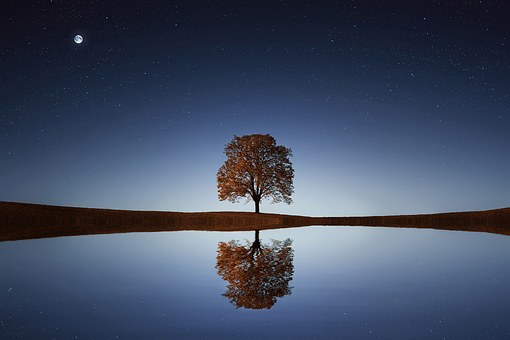
Ajahn Buddhadasa, a colleague of Ajahn Chah, made a point of directing his students to look for nirvana in the simplest ways, in everyday moments. “Nirvana,” he would say, “is the coolness of letting go, the inherent delight of experience when there is no grasping or resistance to life. It is always available. Anyone can see that if grasping and aversion were with us day and night without ceasing, who could ever stand them? Instead we survive because there are natural periods of coolness, of wholeness and ease…In fact, they last longer than the fires of our grasping and fear. It is this that sustains us. We have periods of rest making us refreshed and well. Why don’t we feel thankful for this everyday nirvana?”
Jack Kornfield, The Wise Heart, Buddhist Psychology for the West.

C’est la Nuit qu’il est beau de croire à la lumière
It is at night that it is beautiful to believe in the light
Edmond Rostand, 1868 – 1918, French poet and dramatist

He who jumps into the void owes no explanation to those who stand and watch.
Jean-Luc Godard, 1930 – , French Film Director

We should not give up on our dreams or any deep sense that persists over time, or let it be blocked by our fears.
Since the powers of nature in this dreamer, in that dreamer, and in the macrocosm of nature itself, are the same, only differently inflected,
the powers personified in a dream are those that move the world.
All the gods are within you,
Joseph Campbell, The Masks of God
 Mindfulbalance