 When I want to summon strength and power in the midst of awfulness and hate, I contemplate water.
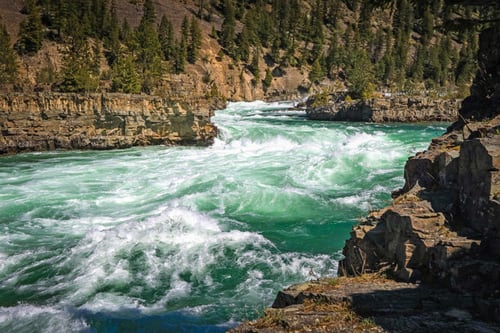
Our ideas of strength so often surround images of things that are hard — like rock or even a clenched fist. Perhaps that’s why we think love doesn’t include strength, just softness. We are thinking in only one dimension. That’s why I think of water, in all its manifestations. Look at the many ways we experience water: It trickles, spurts, floods, pours, streams, soaks, and shows itself in many more modes. All these convey evanescence, release, flow. They are all about not being stuck.
Water is flexible, taking the shape of whatever vessel it flows into. It’s always interacting, changing, in motion, yet revealing continual patterns of connection. Water can be so expressive, a signal of our most heartfelt feelings. We cry tears of sorrow, tears of outrage, tears of gratitude, and tears of joy. Water can be puzzling, seeming weak or ineffectual, yielding too much, not holding firm. And yet over time water will carve its own pathway, even through rock. And yes, water freezes. But it also melts.
Human beings have always found uplift and inspiration in metaphors, like water, but we also take inspiration from other people, and their strength and resiliency in the face of difficult circumstances—the ways in which they unfreeze themselves and make change.
Sharon Salzberg, Real Change