 In life we spend a lot of time waiting. In the morning we might be waiting for the toast to cook or the tea to brew. In the afternoon we may be waiting for some photocopies to print. In the evening we might wait for a bus or a taxi…Often we get impatient. We try to distract ourselves while waiting, or anxiously ruminate about why it takes so long, but essentially in doing so we reject what is happening in the present moment. We become less aware of our surroundings, make more judgments about the unacceptibility of what’s happening and strive to have something else, other than what is. We react negatively to the fact that things aren’t as we want them to be. Given that waiting is a reality of our existence, we have little choice but to find a way to be in these moments. When things are poised to be the way we want them, but they’re not quite there, what kind of attitude is healthiest or most effective?
Notice how your body reacts to waiting. Do you keep looking down the street for the bus? Do you keep hitting the elevator’s “close the door” button? Whenever the urge to reject your waiting time surfaces, see if you can bring attention to the moment before taking action. Resist the urge, and instead bring your attention to the experience of not acting. How does this feel?
When waiting, bring your attention to your breathing. Notice each breath going in and out of your body. Consider this time as a precious opportunity to practice mindfulness and integrate awareness into your daily life.
Jonathan Kaplan, Urban Mindfulness
 Be still
 See if you can bring a soft, curious, and even friendly awareness to feelings of liking and disliking. Notice any qualities of liking or disliking, of moving toward some experiences and away from others. You can even do this with any thoughts or emotions that may be coming and going in the mind and body from moment to moment, whether these thoughts and emotions are pleasant or unpleasant. Do your best to be fully present to your experience of the moment, of whatever is here in terms of sensations, thoughts, and emotions. Notice especially the strong or subtle sense of wanting things to be different than the way they are. You may notice feelings of grief, irritation, or amusement arise as you watch this play of judgments and opinions about what is happening inside and outside you. Continue to stay present to whatever is here.

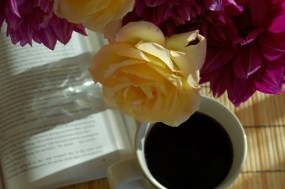 All of life requires a rhythm of rest… but we have lost this essential rhythm. Our culture invariably supposes that action and accomplishment are better than rest, that doing something — anything — is better than doing nothing. Because of our desire to succeed, to meet these ever growing expectations, we do not rest. Because we do not rest, we lose our way. … We miss the compass points that would show us where to go; we bypass the nourishment that would give us succor. We miss the quiet that would give us wisdom. We miss the joy and love born of effortless delight. Poisoned by this hypnotic belief that good things come only through unceasing determination and tireless effort, we can never truly rest.
 Here one of the greatest theologians of the last Century reminds us to create some space for leisure and a beauty that is greater than us. If we get caught up in the drive for achievement and efficiency, we risk building a life that alienates us from our deepest selves by a focus on utility and speed for its own sake.

