
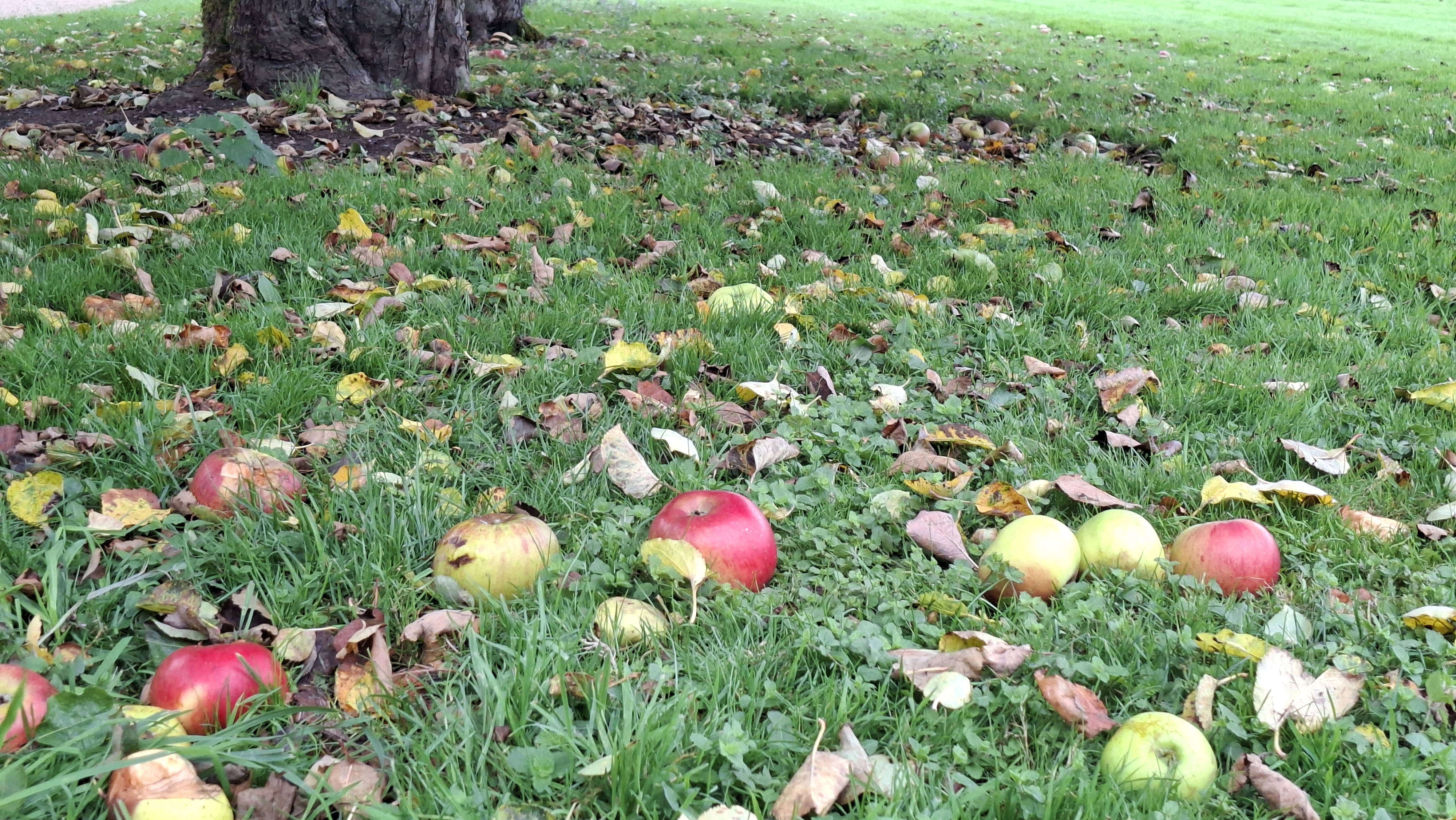
Easy to understand this teaching these windy days.
When you encounter difficulties, the feelings and stories that arise in reaction are just that, feelings and stories. They are whirlwinds of confusion, based not in what is happening now but in deeply held beliefs about you and your relationship to the world.
Let them swirl – leaves in the wind.
Sometimes you fall back into them and lose touch with the present, but a moment of recognition always comes. Right then, come back to your body, come back to your breath, and rest. The confusion, the stories, and the feelings are still there. They continue to swirl, but you are not lost in them.
Gradually, you come to see that what you took to be “you” is only a pattern, a way of reacting that has repeated itself over and over again. When the pattern no longer controls you, the energy caught up in it is freed, and awareness becomes clear and open.
Ken McLeod, Wake Up to Your Life: Discovering the Buddhist Path of Attention .




 Mindfulbalance