
The body endures the storms of the present only,
the mind those of the past and future as well as the present.
Epicurus
The body endures the storms of the present only,
the mind those of the past and future as well as the present.
Epicurus
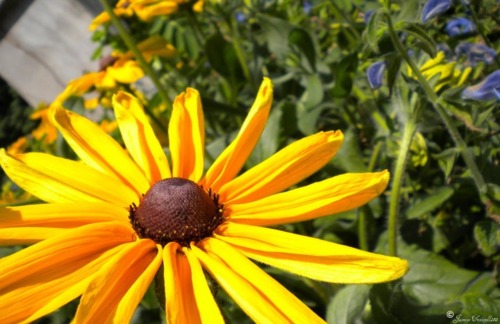
If we look at the world with a love of life,
the world will reveal its beauty to us.
Daisaku Ikeda

As strange as it sounds, meditation may reveal that we are happier than we thought we were. We may discover that ancient conditioning rather than present circumstances is causing our dissatisfaction, and that this moment is quite sufficient or even wonderful, and we simply hadn’t noticed.
Wes Nisker
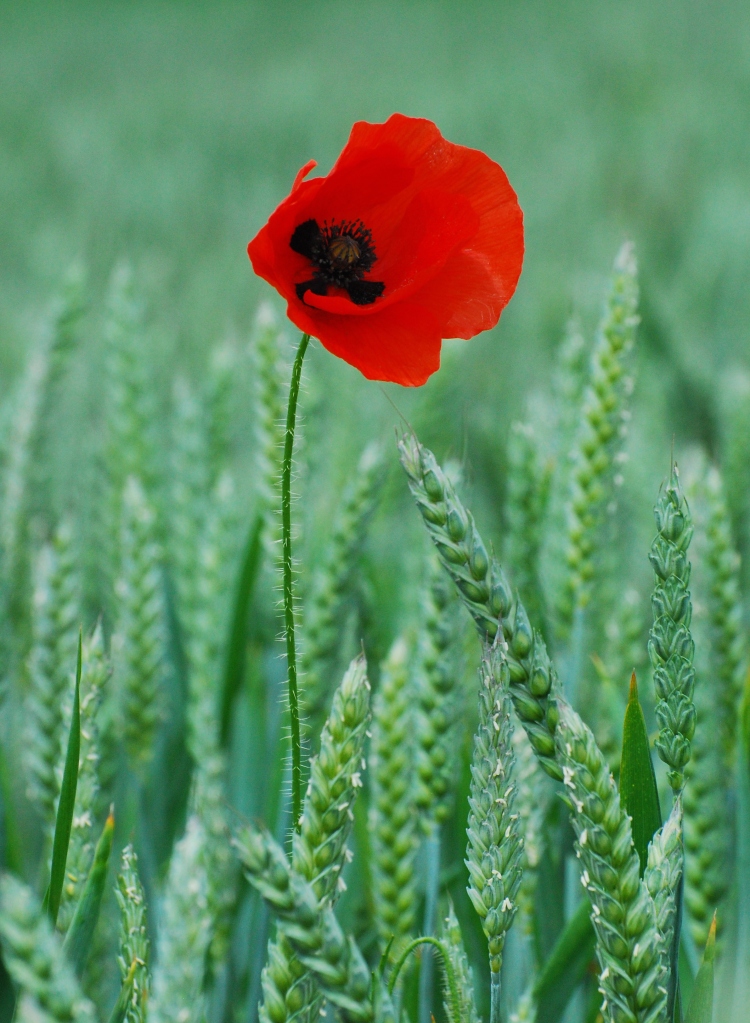 I love this time of year when the poppies grow alongside and inside the fields of wheat. With the wind of today and yesterday they sway, attracting our attention as we walk along the lanes. They are a splash of colour on a grey day. However they do more. They are, as Mary Oliver says, an invitation to happiness. And then it dawns on me that innumerable things each day are the same. Sure. like every one of us, I am tempted, from time to time, to “drown” in moments of darkness, but so many things – like these flowers – remind me that I am given opportunities each day to collect moments of colour, little miracles of light , that give me courage to go on and renew my joy. They invite me to not just live life, but to celebrate it.
The poppies send up their orange flares; swaying
in the wind, their congregations
are a levitation
of bright dust, of thin and lacy leaves.
There isn’t a place in this world that doesn’t
sooner or later drown in the indigos of darkness,
but now, for a while, the roughage
shines like a miracle as it floats above everything
with its yellow hair.
Of course nothing stops the cold, black, curved blade from hooking forward—
of course loss is the great lesson.
But I also say this: that light is an invitation
to happiness, and that happiness,
when it’s done right, is a kind of holiness,
palpable and redemptive.
Inside the bright fields,
touched by their rough and spongy gold,
I am washed and washed in the river
of earthly delight—
and what are you going to do—
what can you do about it—
deep, blue night?
Mary Oliver, Poppies
Image by John Ecker | Pantheon Photography.
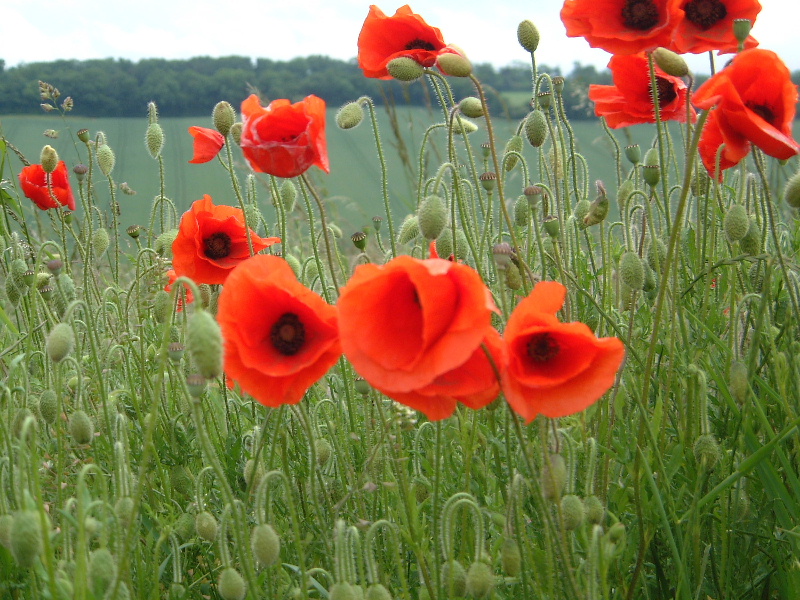 All the different wisdom traditions have the same message. And yet sometimes when we read these texts we see them as eternal laws, impacting sometime in the future, without realizing that they are giving practical guidelines about happiness, and how to live right now, moment by moment. The conditions for real contentment are fully present in our life now, if we can just notice. We have such a strong desire to control, and our fears about not being in control are so strong, that we frequently fall into the trap of believing that we will gain security by thinking excessively about situations. Texts like this remind us of a different strategy towards happiness. These simple flowers that I saw in in the field today remind me. There is a rhythm deep down in nature. We can trust and let go.
Who of you by worrying can add a single hour to his life?
Since you cannot do this very little thing, why do you worry about the rest?
Luke 12:25f
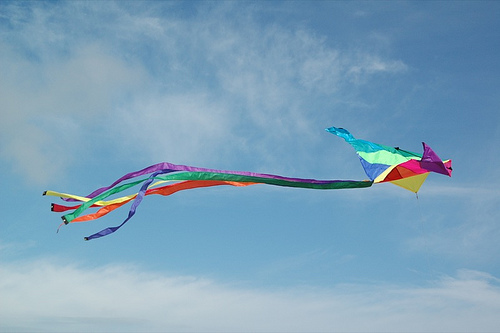
Meditation is a special kind of dance in which we commit ourselves wholeheartedly to the practice of deconstructing the materialistic view of reality. The challenge is simultaneously to hold on and to let go; it is to see clearly what we are doing and at the same time see through it.
Ajahn Amaro
 Mindfulbalance