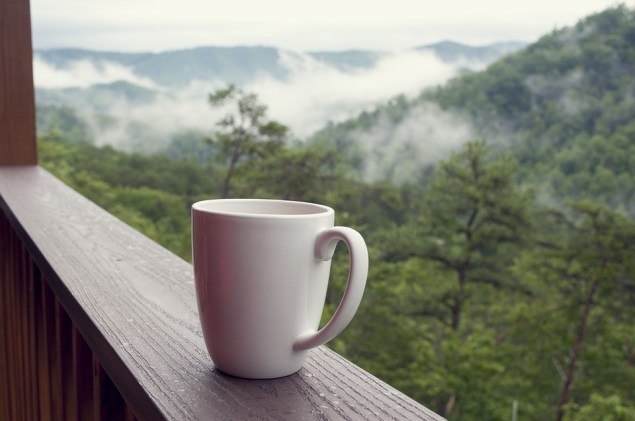
Your mind will answer most questions if you learn to relax and wait for the answer.
William s. Burroughs, American author, died 1997
Your mind will answer most questions if you learn to relax and wait for the answer.
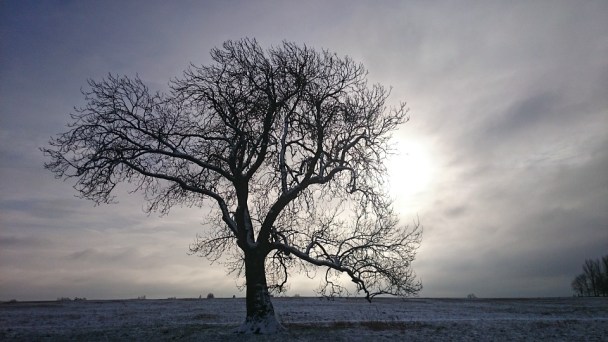
Our passing dramas stand in contrast to the enduring parts of nature, which goes back inside itself at this time of year, and then starts again.
The oak tree
loves patience,
the mountain is
still looking,
as it has for centuries,
for a word to say about
the gradual way it
slides itself
back to the
world below
to begin again,
in another life,
to be fertile.
When the wind blows
the grass
whistles and whispers
in myths and riddles
and not in our language
but one far older.
The sea is the sea is
always the sea.
These things
you can count on
as you walk about the world
happy or sad,
talky or silent, making
weapons, love, poems.
The briefest of fires.
Mary Oliver, Patience
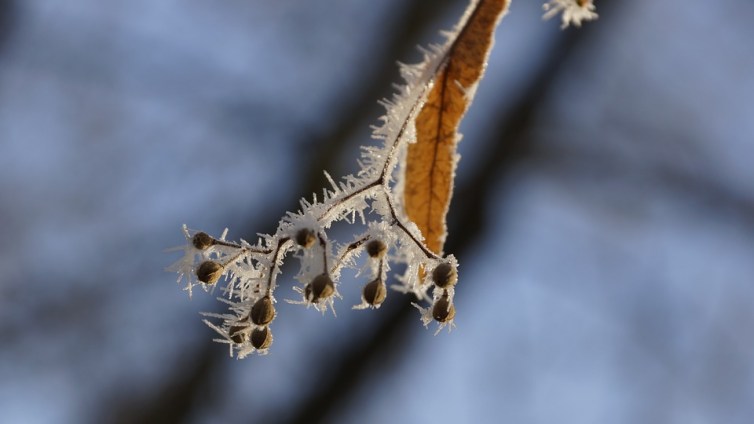
The shortest days of the year. The balance between light and darkness. A time to let go of those thoughts which hold us back and stand firm in that which we are
I move in the descent of days
from what was dreamed to what remains.
Wendell Berry, Boone

We try to maintain a relaxed observing, and not identify with our thoughts. The heart of mindfulness practice:
To think ‘I am screwed up’, is a value judgement, isn’t it? ‘Screwed up’ makes the ‘I am’. It is identifying with a certain kind of condition, a feeling about oneself personally. If we leave off the ‘screwed up’ bit, we get more to the reality of the moment ― ‘Right now I am . . .’ and there is this sense of being here and now. This is a recognition of conscious experience as an entity. There is an entity but it is not personal any more; it is not ‘I am Ajahn Sumedho’ or ‘I am’ anything at all; it is just this sense of ‘I am’, of presence. Being a conscious entity is ― ‘like this’. Reflect on that and sustain it for a while, that sense of ‘I am’, without adding any personal conditions to it.
In this sense of ‘I am’, the body is ‘like this’. There is consciousness, there is the breath (one can be aware of just the breathing of the body, in-breathing and out-breathing.), there is the ‘sound of silence’, the background. And in this intuitive moment, one observes without adding any kind of personal quality.
Ajahn Sumedho, Try to have a Permanent Emotion.
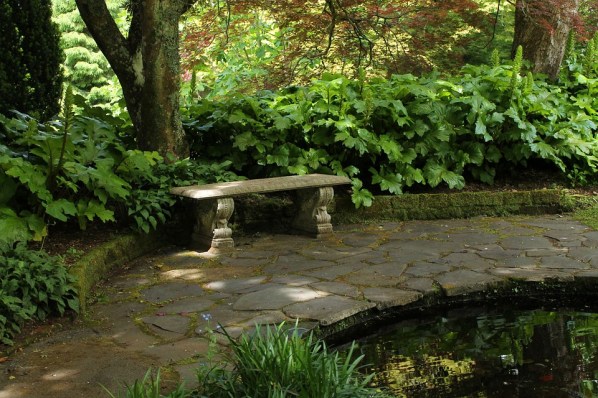
To give ourselves compassion, we first have to recognize that we are suffering. We can’t heal what we can’t feel. We certainly feel the sting of falling short of our ideals, but our mind tends to focus on the failure itself, rather than the pain caused by failure. This is a crucial difference. The moment we see something about ourselves we don’t like, our attention tends to be absorbed by our perceived flaws. In that moment, we don’t have the perspective needed to recognize the suffering caused by our feelings of imperfection, let alone to respond with compassion. We need to stop for a breath or two and acknowledge that we’re having a hard time, and that our pain is deserving of kind, caring response.
Kristin Neff
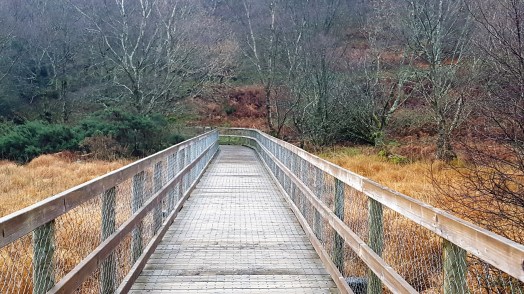
Frequently on Mondays we wish we were somewhere else. We have difficulty realizing that the only moment for us to be alive is this one. We wish our lives away, and they pass us by without us having seen the opportunity that lay in front of us.
All of our listening brings us home. This is what the teacher-soul keeps saying to the student-self in each of us: To accept our place in the miracle before us, to listen to our experience, to our bodies, to our pain, to our wonder, to our place in the mystery, until we land and sing – this is what all birdsong calls us to remember. Try as we will to fly away, all flight leads us to land where we began, different but the same. Try as we will to get out of here, life simply and harshly returns us to the heart of here, which, if listened to, opens us to the heart of everything. What the teacher says to the student who complains is that there is no lesson plan for living but to live. And all our dreams and plans and strategies are necessary detours to the brilliant reality of the life we already inhabit.
Mark Nepo

