
What is the hardest thing of all?
What seems to be the easiest: to use your eyes to see what lies in front of you
Goethe, The Heart of Listening
What is the hardest thing of all?
What seems to be the easiest: to use your eyes to see what lies in front of you
Goethe, The Heart of Listening

Practice is just hearing, just seeing, just feeling. This is what Christians call the face of God: simply taking in this world as it manifests. We feel our body; we hear the cars and birds. That’s all there is.
Charlotte Joko Beck.
photo nottsexminer

Meanwhile, here we are, missing the fullness of the present moment, which is where the soul resides. It’s not like you have to go someplace else to get it. So the challenge here is, Can we live this moment fully? When you ask a group of people to spend five minutes watching their own breaths moving in and out of their bodies, just as an experiment, they discover that their minds are like bubbling vats, and it’s not so easy to stay on the breath. The mind has a life of its own. It carries you away. Over a lifetime, you may wind up in the situation where you are never actually where you find yourself. You’re always someplace else, lost, in your head, and therefore in a kind of dysfunctional or nonoptimal state. Why dysfunctional? Because the only time you ever have in which to learn anything or see anything or feel anything, or express any feeling or emotion, or respond to an event, or grow, or heal, is this moment, because this is the only moment any of us ever gets. You’re only here now; you’re only alive in this moment.The past in gone, and I don’t know what’s coming in the future. It’s obvious that if I want my life to be whole, to resonate with feeling and integrity and value and health, there’s only one way I can influence the future: by owning the present.
Jon Kabat Zinn
photo kevin higgins
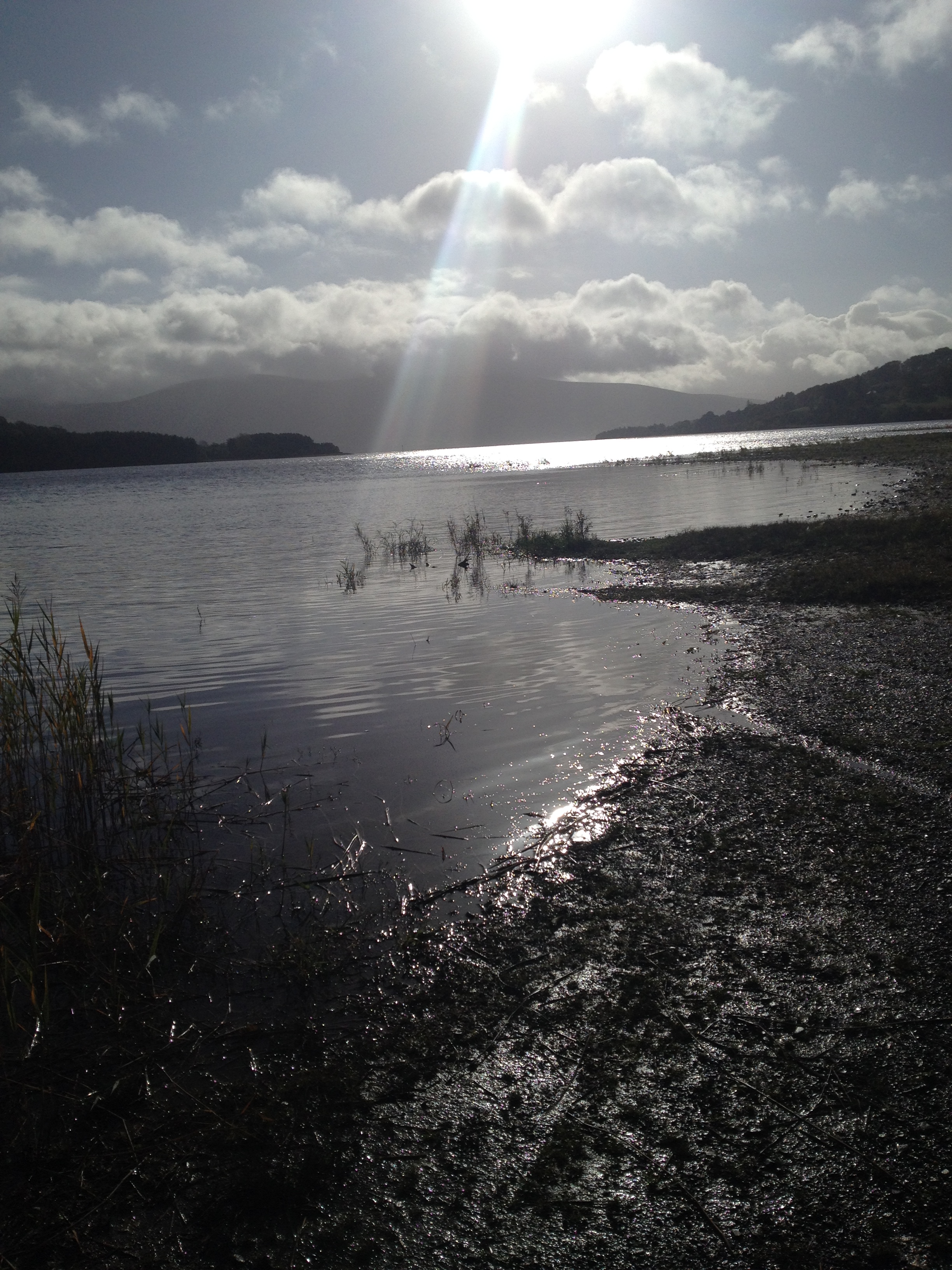
I look;
Morning to night I am never done with looking.
Looking, I mean not just standing around,
but standing around
as though with your arms open.
Mary Oliver, Where does the Temple Begin, Where does it End?
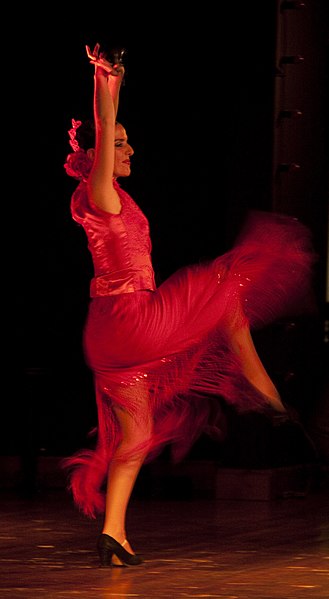
How to be at peace now? By making peace with the present moment. The present moment is the field on which the game of life happens. It cannot happen anywhere else. Once you have made peace with the present moment, see what happens, what you can do or choose to do, or rather what life does through you. There are three words that convey the secret of the art of living, the secret of all success and happiness: One With Life. Being one with life is being one with Now. You then realize that you don’t live your life, but life lives you. Life is the dancer, and you are the dance.
Eckhart Tolle, A new Earth: Awakening to your Life’s Purpose
photo tony hisgett

The mind quiets down because we observe it
rather than getting lost in it
Charlotte Joko Beck
photo hila axelrod

