 We have a habit of looking in the wrong place for contentment. We tend to look outside ourselves, seeing others’ lives and other places as possessing a greater level of happiness than we currently possess. This often leads us to instinctively compare, provoking a movement within us that happens in a flash and then prompts the telling of a story about ourselves and about life, which leads to our mood going down. As I have written before, we end up comparing our present self to a better self, or to the ideal portrayal of lives which we find in society or which our insecurities about ourselves have generated. We find that a lot of our anxieties arise because we are trying to match up to what we think our life “should” be like, or what others portray as being happy.
It is easy to fall into this trap when we travel. We see a different from of life, maybe faster and more “exciting” than our own, or houses situated in a better location, or places of quiet  that seem much more peaceful than where we live. So we lean towards those things, or we leave ourselves, not realizing that true contentment is found within. We get caught in idealized views of what is possible for ourselves and travel far in our minds and in our spirits from where we actually are. And this often means we end up thinking that something must be wrong with our lives or with us.
Meditation practice is a training in learning to stay, staying with ourselves, not running outside ourselves after every passing stimulus about things which will pass away. It helps us to not attach too much solidity to these comparing thoughts, letting them pass through our minds without hooking on to them. We realize that they do not bring the contentment they seem to suggest. It helps us seek real happiness within, where we already are.
The primary focus of this path of choosing wisely…is learning to stay present. Pausing very briefly, frequently throughout the day, is an almost effortless way to do this. For just a few seconds we can be right here. Meditation is another way to train in learning to stay or…learning to come back, to return to the present over and over again.
Pema Chodron, Taking the Leap
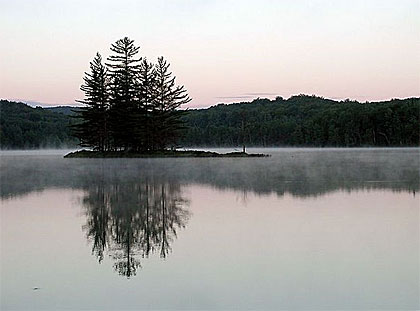
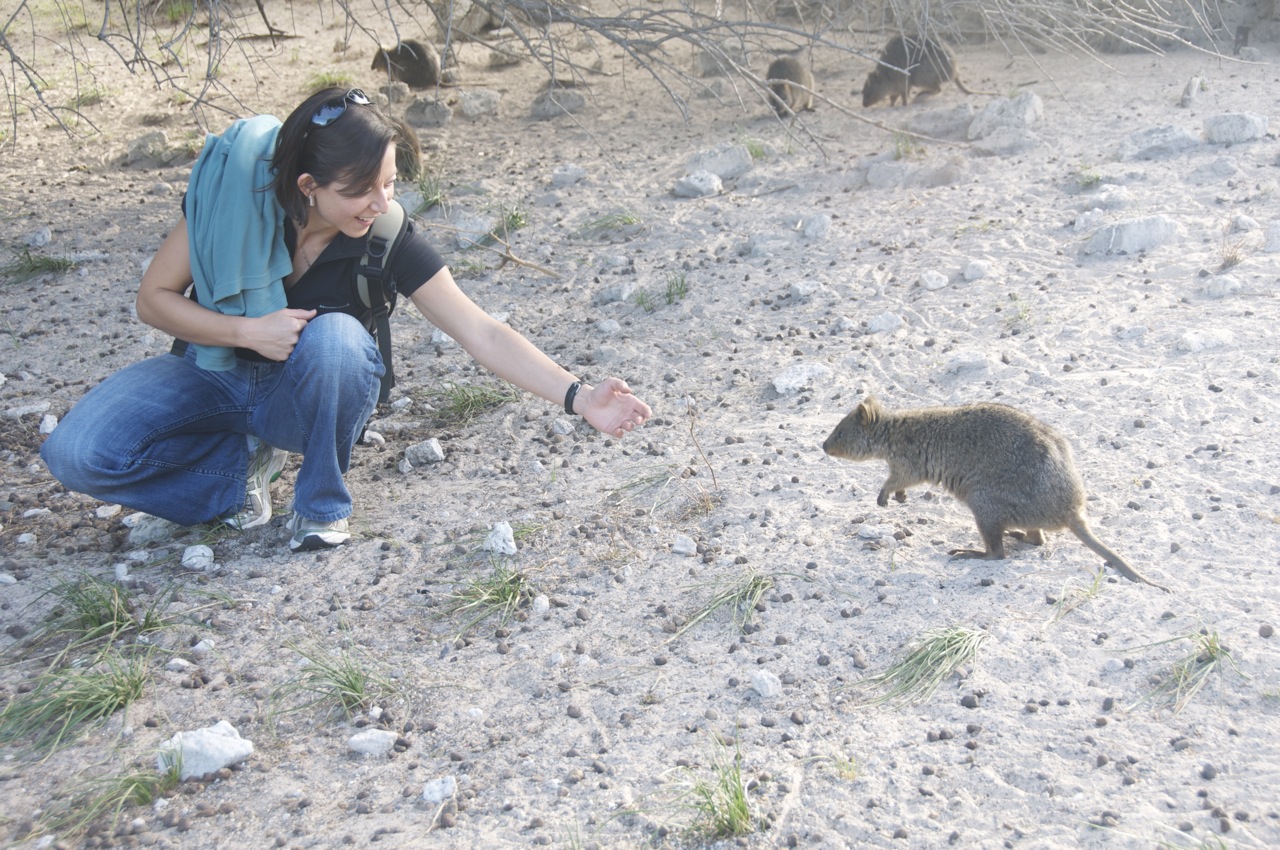 These beautiful autumn days touch the heart and the spirit. Simply being out in nature can heal and restore us, without the need for words or explanations or ideas.