How to meditate: very simple instructions

When a thought arises that’s strong enough to take your attention away from the breath, simply note it as not breath. Whether it’s the most beautiful thought in the world or the most terrible, one you would never disclose to another soul, in this meditation, it’s simply not breath. You don’t have to judge yourself. You don’t have to get lost in making up a story about what triggered the thought or its possible consequences. All you have to do is recognize that it is not a thought. Some of your thoughts may be tender and caring, some may be boring and banal; all that matters is that they are not the breath. See them, recognize them, very gently let them go, and bring your attention back to the feeling of the breath.

Sharon Salzberg, Real Happiness: The Power of Meditation

Mindfulness in the news: BBC looks at brain scans and meditation

Following on from yesterday, here is a link to the next part of the BBC report which contains some material on brain scans, brain activity and meditation. One of the most exciting recent discoveries in the field of neuroscience is that the brain is quite plastic all through life, and that we can change its activity patterns depending on what we do. So if we practice calmness, the brain changes in response to that, in the same way as it responds to the occasions when we “practice” worrying or being anxious.

http://www.bbc.co.uk/news/health-16406814

Mindfulness in the news: BBC report on the 8 weeks training

The BBC Breakfast Programme is running a series of reports these mornings on Mindfulness meditation and the MBSR course, which are a useful introduction to the whole area. Their researcher, David Sillito,  did the 8 weeks MBSR Course and reports on his findings over a number of days. You can follow the first report here:

http://www.bbc.co.uk/news/health-16389183

An escape hatch from our fears

This word ‘meditation’ can mean all kinds of things. It’s a word that includes any kind of mental practices, good or bad. But when I use this word, what I’m mainly using it for is that sense of centring, that sense of establishing, resting in the centre. The only way that one can really do that is not to try and think about it and analyse it; you have to trust in just a simple act of attention, of awareness. It’s so simple and so direct that our complicated minds get very confused. “What’s he talking about? I’ve never seen any still point. I’ve never found a still point in me. When I sit and meditate, there’s nothing still about it.” But there’s an awareness of that. Even if you think you’ve never had a still point or you’re a confused, messed-up character that really can’t meditate, trust in the awareness of that very perception. This is something you can really trust. So in pointing to this centre point, to this still point, to the here-and-now, I’m pointing to the way of transcendence or the escape from it.  Not escape by running away out of fear, but the escape hatch that allows us to get perspective on the mess, on the confusion, on the complicated self that we have created and identify with.

Ajahn Sumedho, Identity

Letting go of our story lines

Meditation practice provides a powerful antidote to the story lines of ego. We become expert in  recognizing when we are holding on to both overt and subtle versions of ourselves. In addition we also come to see how we re-create story lines as a way of pulling back from the very experiences we long for: spaciousness, clarity and compassion.…We may prefer to have a softer edge on reality when experiences arise that disconfirm our favourite story lines. We may subtly rework memories rather than see ourselves in an embarrassing or shameful light. We may also shrink away from our naturally tender and compassionate nature when to stay present means feeling our own pain or recognizing the pain of others……As we come to see our internal narratives for what they are – stories that distance us from our direct experience – they begin to lose their power.

Karen Kissel Wegela, The Courage to be Present

Running on tracks laid down by others

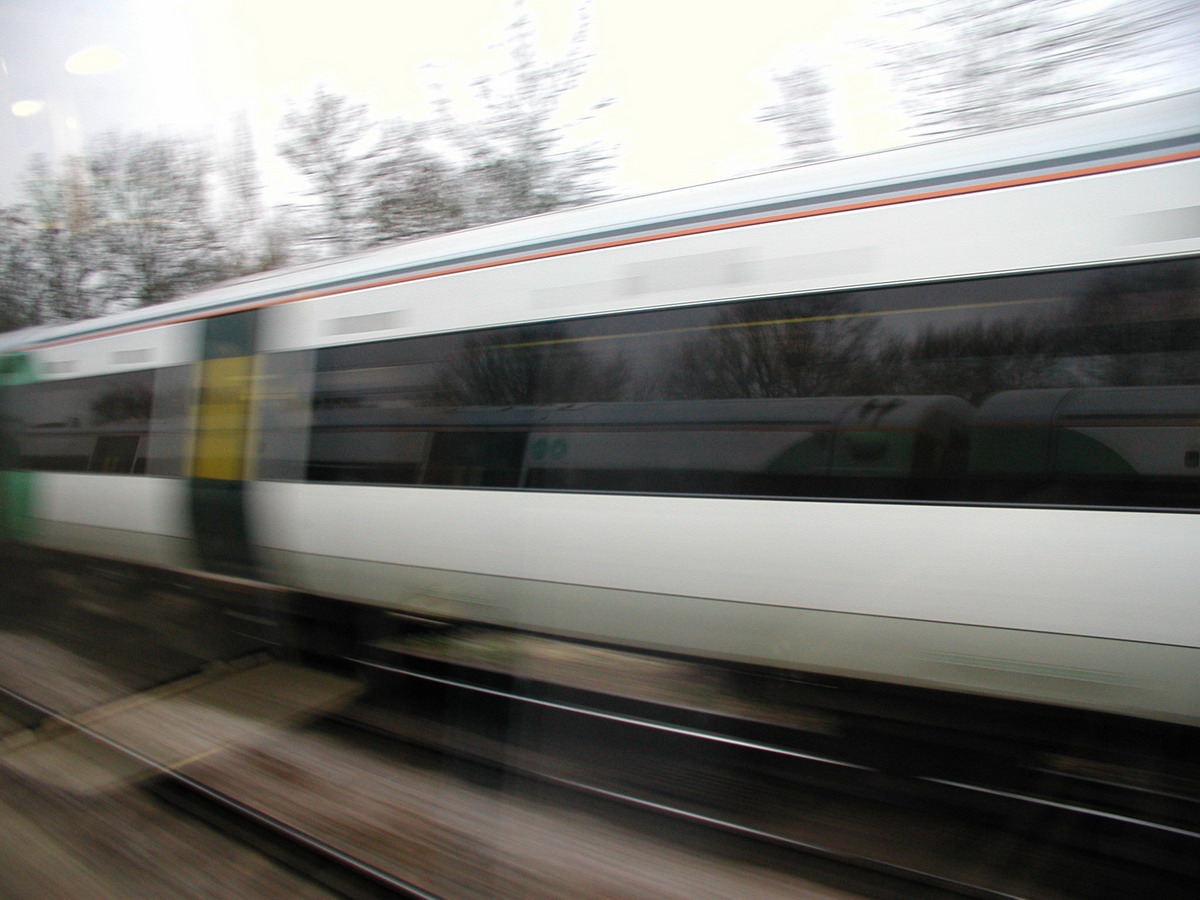
Like a lot of people I know, I struggle with taking too much on, with doing too many things, with moving too fast, with overcommitting, with overplanning. I have learnt that I  must move, quite simply, at the pace of what is real. While this pace may vary, life always seems vacant and diminished when I accelerate beyond my capacity to feel what is before me. It seems we run our lives like, trains, speeding along a track laid down by others, going so fast that what we pass blurs on by. The we say we’ve been there, done that. The truth is that blurring by something is not the same as experiencing it.

So, no matter how many wonderful experiences come my way, no matter the importance placed on these things by others who have my best interests at heart, I must somehow find a way to slow down the train that is me until what I pass by is again seeable, touchable, feel-able. Otherwise I will pass by everything – can put it all on my resume – but will have experienced and lived through nothing.

Mark Nepo, The Book of Awakening