Here is one of the practices I referred to in the post this morning. It comes from the community established by Thich Nhat Hanh. I like it because it balances an awareness of the human condition and the inevitability of change with a focus on present actions.
I am of the nature to grow old. There is no way to escape growing old.
I am of the nature to have ill-health. There is no way to escape ill-health.
I am of the nature to die. There is no way to escape death.
All that is dear to me and everyone I love are the nature to change.
There is no way to escape being separated from them.
My actions are my only true belongings. I cannot escape the consequences of my actions.
My actions are the ground upon which I stand.
Thich Nhat Hanh, Plum Village Chanting Book
Tag: Present moment
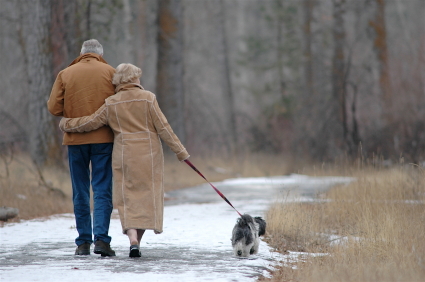
Appreciating
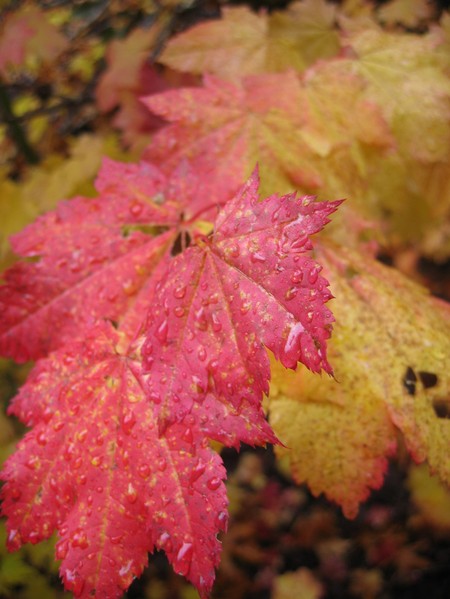
We will not perish for want of information,
but only for want of appreciation
The beginning of our happiness lies in the understanding
that life without wonder in not worth living.
Abraham Heschel, God in search of Man
…… is equally important
To apprehend
The point of intersection of the timeless
With time, is an occupation for the saint.
T.S.Eliot: The Dry Salvages V
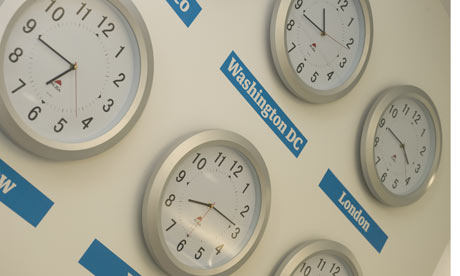
In Ireland, and the rest of Europe, the clocks went back last night (whatever that means) and we have an extra hour today. It happens next week in the US. Arbitrary distinctions, but they prompt us to be more aware of time. Two minutes before midnight 2012 is not much different from two minutes after midnight 2013 and yet we assign huge meaning to certain transitions. To help us deal wisely with the passing of time we concern ourselves with the present moment, in whatever form it takes. We loosen the meanings we assign to it, which often distract us from being fully engaged. We practice sticking close to how things actually are, rather than how they “should” be:
Sometimes we divide our time into categories: you have time for work, time for exercise, time for eating, time for your partner, time for the children and finally, you hope, time for yourself. But the ….attitude [behind mindfulness] is that all time is for yourself: whatever you’re doing, however trivial, is equally important to everything else. No time is wasted. We should give total respect and attitude to whatever we are doing.
Larry Rosenberg, Living in the Light of Death.
Seeing life freshly
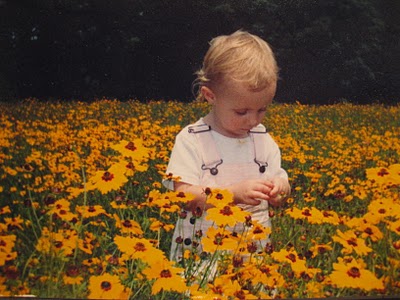
It’s a Bank Holiday, or long weekend, here in Ireland, so one immediately feels as if there is more time to slow down and take a break from the rushing which the working week inevitably impresses on the mind. A certain space enters, allowing us to see things more lightly, or to see them with eyes that have the room to appreciate them:
Childhood is not a state which only applies to the first phase of our lives in the biological sense.
Rather it is a basic condition which is always appropriate to a life that is lived aright.
Karl Rahner, Catholic Theologian, 1904 – , 1984
What to be aware of today

If one thing is developed and cultivated, the body is calmed, the mind is calmed, discursive thoughts are quieted,
and all wholesome states that partake of supreme knowledge reach fullness of development.
What is that one thing?
It is mindfulness directed to the body
The Anguttara Nikaya
…
Changing like the weather
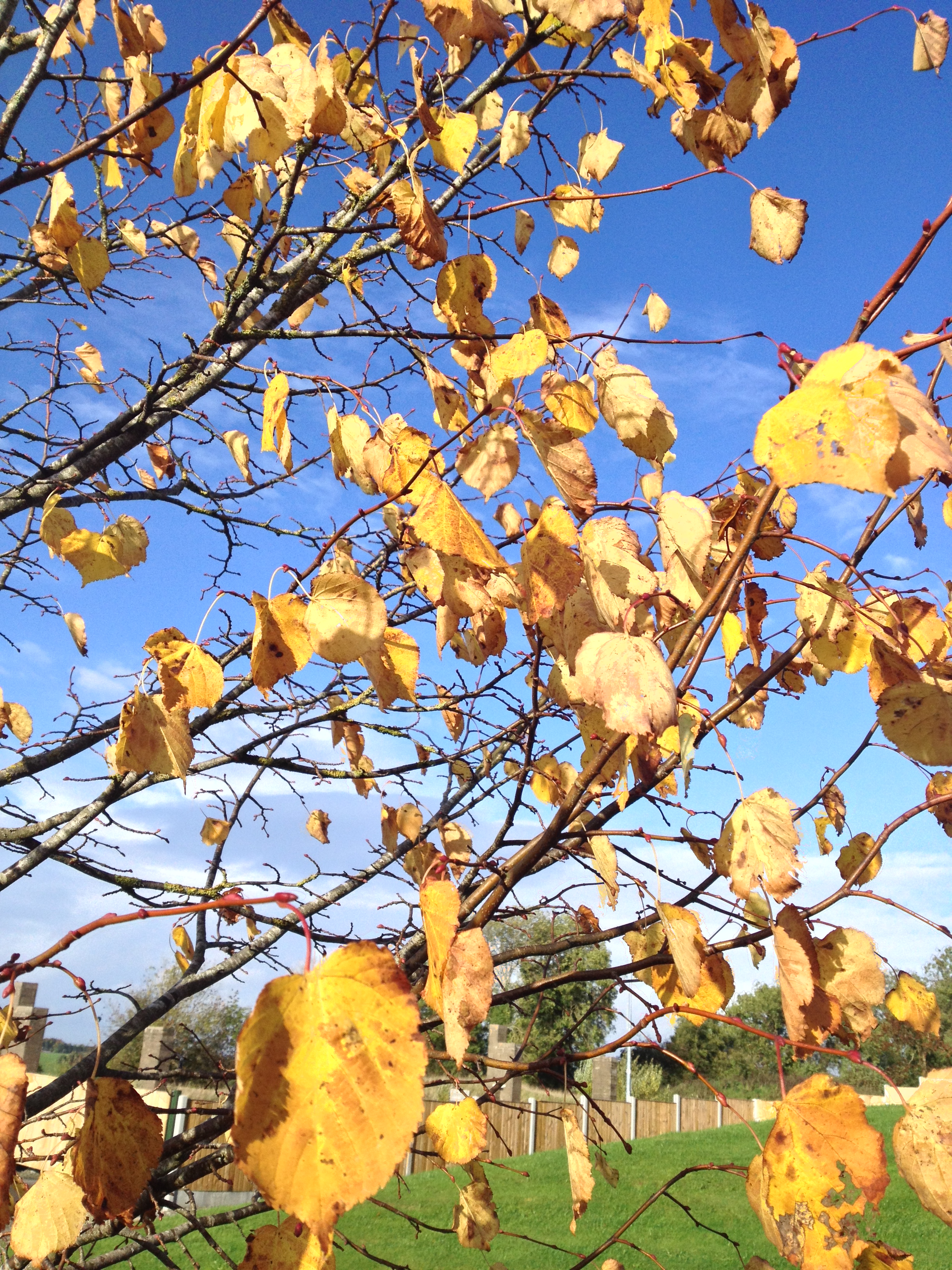
The weather has turned quite windy with heavy showers here in Ireland and they say that it is finally going to get colder. Indeed the leaves are turning colour and falling, although much later than we are accustomed to in this part of the world. It is a change from the last two years and people would be quite happy if the good weather continued for another few weeks. We have a natural tendency to try and hold on to, and make permanent, things that are going well. However, as the old text reminds us, it is when we understand impermanence that our minds cease to be contentious and we stop fighting with how things are:
When you feel that you are making emotions and thoughts solid,
contemplate impermanence as a reminder that all is in flux.
Sakyong Mipham Rinpoche

